In today’s mobile-first world, checkout experiences must be fast, secure, and frictionless. Passwords have long been the gatekeepers of digital payments, but users increasingly find them slow and frustrating. The rise of biometric authentication—using fingerprints and facial recognition—promises a new era where logging in and authorizing payments happens with just a glance or a touch.
Tech giants like Apple Pay and Google Pay, alongside standards organizations such as the GSMA, are shaping this future. But what does this shift really mean for merchants, consumers, and payment flows? Will biometrics fully replace passwords in checkout, or are these methods more complementary? Let’s dig in.
Faster Checkout and Reduced Cart Abandonment
One of the biggest motivations for adopting biometric authentication is speed. Think about traditional checkout flows: users type usernames and passwords multiple times or use cumbersome OTPs (One-Time Passwords). These steps disrupt the flow and cause cart abandonment rates to spike.
With biometrics, the process becomes seamless:
User taps pay. The device prompts fingerprint scan or facial recognition. Authentication happens in seconds, no password input needed.This shortcut eliminates friction. Experts estimate that nearly 70% of mobile shoppers abandon carts due to complex or lengthy checkout processes. Biometrics helps fix this by reducing checkout time and boosting purchase confidence.
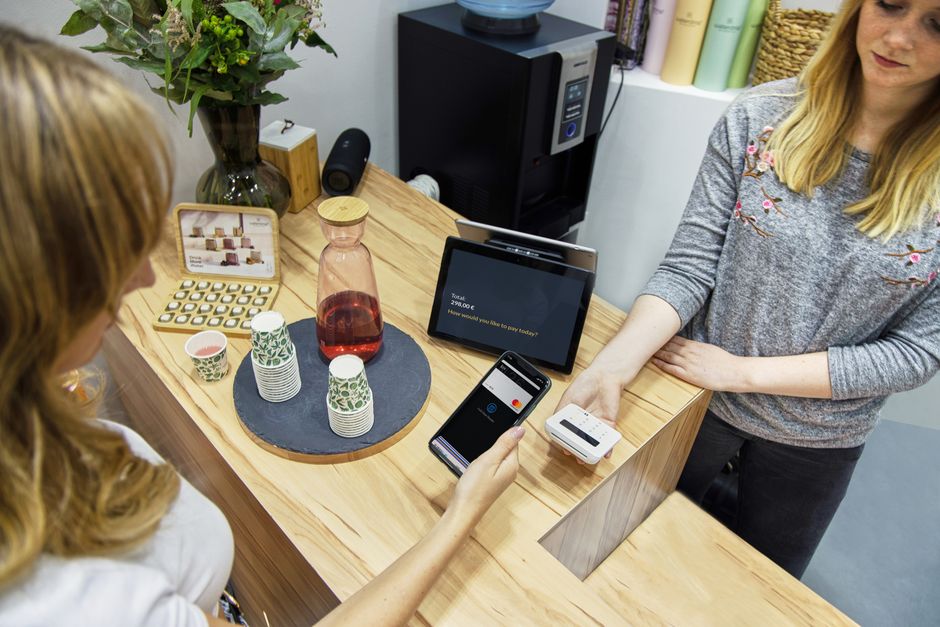
Apple Pay and Google Pay already leverage biometrics on supported devices. When you use Apple Pay, the iPhone or Apple Watch uses Touch ID (fingerprint) or Face ID (facial recognition) to confirm your identity securely before payment completes. The device never shares your raw biometric data with merchants or payment processors—only a cryptographic token confirming identity authorization.
What’s the user tap next?
After biometric authentication, users usually tap “Confirm” or simply wait as the system automatically processes the payment. This quick sequence means fewer dropped sales caused by frustration or confusion around password input.
The Shift from Cards to Alternative Payments
Traditional card payments, while ubiquitous, are gradually making room for alternative payment methods especially on mobile:
- Mobile wallets like Apple Pay and Google Pay Direct carrier billing through mobile network operators (MNOs) In-app purchases via app stores and digital content platforms
Biometric authentication plays a key role in this ecosystem by streamlining approvals for these options. Instead of asking users to input card details or passwords, merchants can allow biometric-based authorization that works hand-in-hand with these newer payment channels.

How Does Direct Carrier Billing Use Biometrics?
Direct carrier billing (DCB) lets users buy digital content and physical goods by charging purchases directly to their phone bill. It’s increasingly popular in emerging markets and for mobile content platforms where quick, no-card-needed payments are vital.
Step User Action Biometric Role 1 Select item to buy within app store or content platform — 2 Tap “Buy” or “Subscribe” — 3 Device requests fingerprint or face scan Verify user identity quickly without password entry 4 Carrier checks credit and approves payment Biometric confirms user authorized charge to their account 5 User receives confirmation, no manual input of personal info required —Notice that the biometric step replaces what would otherwise be a password or PIN entry, speeding approval and improving user experience without compromising security.
Mobile-First UX and Small-Screen Design
Designing for small screens means payment flows must be compact and intuitive. Biometric methods perfectly fit this need. Instead of forcing users to bring up the virtual keyboard to type a long password, a single touch or glance on a smartphone or smartwatch handles authentication.
Best practices for mobile-first checkout with biometrics include:
- Clear prompts: users must know exactly when and where to tap their fingerprint or look into the camera. Minimal steps: combine authentication and payment confirmation screens when possible. Fallback options: allow password or PIN entry if biometrics fail or are unavailable. Privacy-First Messaging: Clearly communicate what data is shared and what stays private during biometric authentication.
Leading brands like Apple and Google ensure that while biometric data never leaves the device, cryptographic tokens generated after authentication authorize payments securely. This means users get privacy and convenience without sacrificing trust.
What Does Biometrics Mean for Passwords? Are They Outdated?
Biometrics offer better usability and security in many scenarios, but passwords aren't going away entirely—at least not yet. Here’s why:
- Device Dependency: Biometric authentication relies on device hardware (fingerprint sensors, cameras). Users on older devices or desktops may still need passwords. Backup Authentication: Biometrics can fail due to injuries, lighting conditions, or sensor errors. Passwords/PINs act as important fallbacks. Account Recovery: If biometric data is lost or compromised, users will need secure password-based methods to regain account access.
That said, for mobile-first checkouts—especially within app stores and digital content platforms—biometrics are rapidly becoming the primary authentication mode. Consumers want fast, secure approval without typing passwords repeatedly.
Security Considerations and What Data Is Shared (and What Isn't)
Marketing messages often use vague claims like “biometrics are 100% secure” or “your data is always safe.” As an editor who hates fluff, let’s clarify what really happens:
- Biometric data (fingerprints or facial maps) stays on the device’s secure enclave or trusted execution environment. It does NOT travel over the network or get stored on merchant servers. When you authenticate, a cryptographic token or signature is created to prove “you” without revealing your biometric itself. Merchants and payment processors only receive payment tokens and authorization signals. They cannot access raw biometric info.
This means biometrics improve user experience without expanding privacy risks beyond existing payment data sharing. Always check if a checkout flow lets you preview this in privacy or security disclosures.
Conclusion: Biometrics Are Not a Password Replacement, But a Powerful Complement
Biometric authentication is transforming checkout. It cuts down friction, accelerates payments https://smoothdecorator.com/why-shoppers-do-not-want-to-share-card-details-online/ on mobile, reduces cart abandonment, and supports alternative biometric authentication for payments payment methods like direct carrier billing. Companies like Apple Pay, Google Pay, and through standards championed by the GSMA, are leading this shift.
However, passwords remain part of the overall authentication toolkit, especially as fallbacks and for device compatibility reasons. The future of checkout will blend biometrics with traditional methods, always prioritizing security, privacy, and usability.
For merchants and digital content platforms, embracing biometrics means designing mobile-first experiences that expect users to tap or glance to pay—putting convenience front and center without compromising safety.
So the next time you shop or subscribe via your phone or tablet, consider the simple experience powered by biometrics behind the scenes—faster, smoother, and more secure than typing a password ever was.