When you walk into a casino or place a bet online, someone always has an edge — it’s called the house edge. It’s the mathematical advantage the casino holds over players in the long run. This number is usually published or at least known, and it fundamentally shapes your expected outcome when you play games like roulette, blackjack, or slots.
But what does it mean when people say “the house edge is published”? And more importantly — why does that matter beyond casino tables, especially when you consider investing, like buying weekly options through your favorite brokerage app? Spoiler: It all comes down to expected value and transparency.
House Edge Meaning and Return to Player (RTP) Explained
Let’s start by explaining the basics.
What Is House Edge?
The house edge is a percentage that represents how much the casino expects to win from a player’s bets over time. For example, a house edge of 5% means that for every $100 wagered, the casino expects to keep $5 on average after many bets.
It’s important to note the sign in front of the number. House edge is a negative expected https://technivorz.com/are-short-dated-options-ever-investing-or-always-gambling/ value (EV) for the player — you lose about 5% of your bets on average. The casino’s expected value is the positive counterpart (+5%).
Return to Player (RTP): The Flip Side
Return to Player, or RTP, is simply 100% minus the house edge. So a 5% house edge corresponds to a 95% RTP. You can think of RTP as the expected percentage of your bet you get back over the long run.
TermMeaningExample House EdgeCasino’s expected profit percentage per dollar wagered5% Return to Player (RTP)Player’s expected return percentage per dollar wagered95% Expected Value (EV)Average gain or loss per bet, considering probability and payout-$0.05 per $1 bet (negative EV for player)Expected Value: The Real Dividing Line
In gambling and investing, the sign in front of your expected value is everything. People toss around the vague term “risk” without drilling down on expected value, but EV is what separates positive from negative scenarios.
- Positive Expected Value (EV): You have a statistical edge; your bets or investments will win on average over time. This is what broad equity ownership historically provides. Negative Expected Value (EV): You are at a disadvantage; the game or investment is expected to lose money over time, like most casino bets.
Consider this: owning shares in a broad stock index fund generally provides a positive EV investment. While prices fluctuate, over decades the average expected return is positive — often around 7% after inflation. Contrast that to, say, a slot machine with 5% house edge, where the expected value is negative for the player.
Transparency Matters: Casino RTP Published vs Hidden Trading Costs
This brings us to a key point: transparency. Casinos openly publish their RTP and house edge figures. They’ve got to, by regulation or reputation. You know you’re facing a 5% house edge on blackjack or a 2% edge on certain wagers.
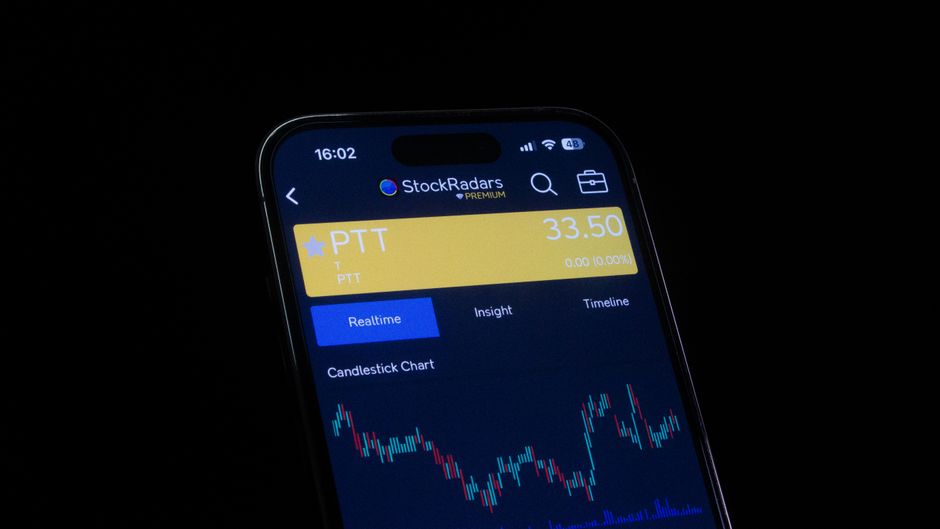

Brokerage apps that let you buy weekly options? They don’t publish an explicit “house edge.” But guess what? It’s there — it’s hidden in:
- Theta Decay: The daily loss in option value simply due to time passing. If you buy options weekly to make quick profits, the clock is your enemy. This time decay creates a gradual, predictable negative EV. Assignment Risk: If you hold options through expiration, you may be assigned stock. Managing that risk requires expertise and can add costs, reducing returns. Spreads: The difference between the bid and ask prices acts like a hidden cost on every trade — just like a casino’s vigorish. Commission and Fees: Even in commission-free apps, you pay “costs” through inferior prices or wider spreads.
This “house edge” in option buying is not published as simply as RTP, but it’s real. If you miss the sign in front of your prospective returns and disregard these hidden trading costs, you’ll think you’re playing a winning game when you’re not.
Time Horizon and the Law of Large Numbers
Why does knowing house edge and RTP matter beyond just understanding Click here for more the odds? Because of the law of large numbers.
This mathematical principle means that over many repetitions, the average result converges to the expected value. If you flip a biased coin with 45% chance of heads and play 10,000 times, your long-term results will reflect that edge accurately.
For casinos, this means their tiny edges become enormous profits over millions of bets. For investors buying weekly options with negative expected value—due to theta decay and spreads—hundreds of trades compound losses.
Conversely, broad equity investors with positive expected value have the advantage: the law of large numbers helps their account grow steadily over decades, smoothing out short-term volatility.
Beware “You Can Stop Early” Arguments
Sometimes traders argue the “you can stop early” idea — that you don’t have to hold many trades to avoid heavy losses. That’s hand-wavy nonsense if you ignore expected value. The sign in front of the number doesn’t change just because you quit after a few trades. The losses still accumulate unless you have positive EV on each trade.
Summary Table: Casino Odds Explained vs Weekly Options Buying
Factor Casino Games Weekly Options Buying in Brokerage Apps Published House Edge / RTP Yes. RTP and house edge are usually published and regulated. No. Negative expected value hidden in theta decay, spreads, and commissions. Expected Value for Player Negative (e.g., -5% house edge) Usually Negative (due to time decay and trading costs) Transparency High transparency on odds Low transparency; costs embedded in option mechanics Time Horizon Relevance Edge compounds over many bets causing losses Multiple trades increase expected loss if negative EV Common Misconceptions Players think “vibes” or luck can beat edge Traders underestimate impact of theta and spreadsFinal Thoughts: Understanding the Hidden “House Edge” Everywhere You Trade
“House edge is published” means you know the exact price you pay for playing a game — in the form of expected value. That transparency is crucial because it lets you make informed decisions.
In casinos, you get that transparency with RTP numbers. In brokerage apps selling weekly options, this transparency is missing. Instead, you’re dealing with a “house edge” hidden in theta decay, assignment risks, spreads, and commissions.
The key takeaway: always focus on expected value — and remember the sign in front of the number. Positive EV in broad equity ownership builds wealth. Negative EV in casino games and poorly understood option trading slowly erode it. Transparency of costs and realistic time horizons help you avoid traps masked as opportunity.
Don’t let the sleek interface, confetti animations, or “you can stop early” advice distract you. Understand your expected value, recognize hidden costs, and keep your long-term game strong.