For over a decade, I’ve sat on both sides of the desk: as a compliance manager sweating through customs holds and as a consultant helping legal teams clean up the wreckage. If you’ve spent any time in trade compliance circles lately, you’ve heard the term “structural change.” Usually, when a regulator uses that phrase, it sounds like bureaucratic fluff. But in the current trade environment, it’s a warning shot.
“Structural change” in trade enforcement means the government has moved away from sporadic, transactional audits toward a permanent, high-intensity model that views your supply chain as a single, interconnected liability. If you are still relying on the “we’ve always done it this way” approach—where compliance ends at the entry summary—you are essentially operating with a bullseye on your back.
Legal takeaway: Structural change means the government is no longer looking for isolated mistakes; they are auditing the systemic health of your entire sourcing and documentation lifecycle.
The Shift: From Trade Policy to Enforcement as Revenue
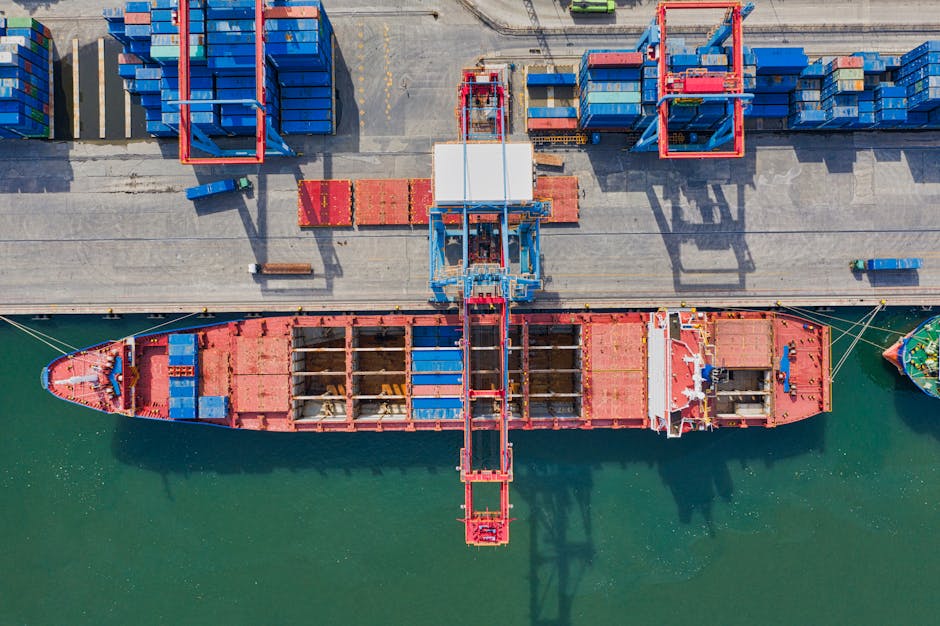
Historically, trade enforcement felt like a game of whack-a-mole. Customs and Border Protection (CBP) would identify a specific tariff issue, flag a shipment, and move on. Today, the enforcement baseline has shifted. We have transitioned from an era of "trade facilitation" (speeding goods across the border) to an era of "enforcement-first" strategy.
Why? Because trade enforcement is now a massive, self-funding engine for the federal government. By targeting tariff fraud and misclassification, agencies aren't just protecting https://dlf-ne.org/what-is-the-fastest-way-to-reduce-tariff-fraud-risk-this-quarter/ domestic industry; they are generating massive revenue through fines and settlements. The monitoring intensity has reached a point where your internal processes are no longer "internal"—they are essentially open books for federal investigators.
The Catalyst: Tariff Fraud and the Incentive Structure
When the government imposes high tariffs (think Section 301 duties), they create a massive financial incentive for bad actors to cut corners. This creates a ripple effect for compliant companies. When everyone is cutting corners, the "standard" market price becomes artificially low, and honest companies struggle to compete.
Common schemes currently under the microscope include:
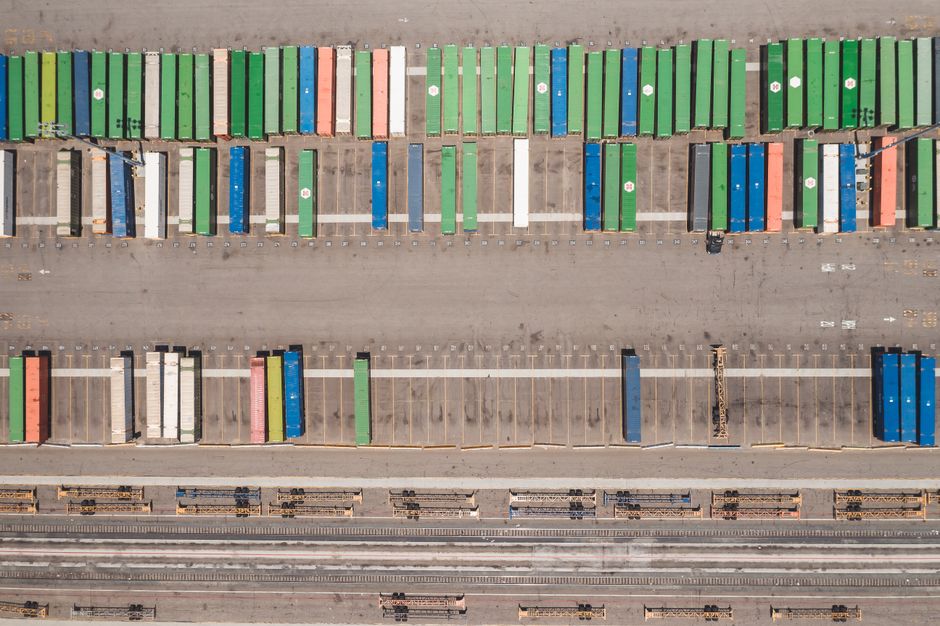
- Transshipment: Routing goods through a third country to obscure the true origin. Double Invoicing: Creating two sets of invoices—one for the true value of the goods and one with a deflated value to lower duty payments. Classification "Optimization": Intentionally misclassifying products into duty-free categories.
I cannot stress this enough: Do not confuse a classification error with origin fraud. One is a technical mistake; the other is a felony. When you fail to maintain rigorous country-of-origin claims documentation, you make it impossible for auditors to distinguish between the two, and they will almost always assume the worst.
The Weaponization of the False Claims Act
If you think a customs audit is the worst-case scenario, you haven't been paying attention to the False Claims Act (FCA). The government is increasingly leveraging the FCA to turn trade violations into massive civil litigation cases.
Even more dangerous is the rise of whistleblower-driven enforcement. Your disgruntled employees, your competitors, or even your frustrated customs brokers can now act as "relators" under the FCA. If they provide evidence that you knowingly bypassed duty payments, they are entitled to a percentage of the recovered funds.
Legal takeaway: If a whistleblower can prove you ignored warning signs about your supply chain, you are no longer just dealing with a customs fine; you are dealing with treble damages (three times the actual loss) and potential litigation.
Supply Chain-Wide Scrutiny: Moving Beyond the "Made In" Sticker
One of the most persistent red flags I see in my consulting work is the reliance on hand-wavy, unverified country-of-origin claims. I’ve seen companies accept "Made in Vietnam" labels from suppliers without a shred of documentation to prove substantial transformation occurred there.
This is where the new compliance expectations hit home. It is no longer acceptable to point to a bill of lading or a supplier-signed certificate of origin as the "gold standard." Today, you must be able to trace the raw materials and the manufacturing process. If you cannot provide a paper trail, your invoices are effectively worthless documents in the eyes of an auditor.
Document Type Old Compliance Expectation New Enforcement Baseline Invoices Must match the entry summary. Must demonstrate the full value, including assists, royalties, and commissions. Country-of-Origin "Trust the supplier" label. Documented manufacturing flow and material sourcing. Broker Interaction Emailing the entry docs. Centralized audit trail of who told the broker what and when.Why "We’ve Always Done It This Way" is a Death Sentence
I hear this phrase every time I step into a new company. It is the single biggest indicator that a compliance team has become complacent. Trade laws change; enforcement priorities shift. If your SOPs (Standard Operating Procedures) haven’t been updated in three years, you aren't compliant—you are just lucky.
The "structural change" in enforcement means that regulators are looking for the *source* of the error. If you claim that "we've always done it this way," you are effectively admitting that your company has no mechanism for adapting to new legal environments. That is not a defense in a government investigation; it is a confession of systemic negligence.
Building a Sustainable Compliance Framework
To survive the new monitoring intensity, you must shift your mindset from "filing entries" to "managing a risk data set." Here is how you prepare for the new normal:
Audit your invoices: Do they reflect the true transaction? If you have separate payments for engineering or R&D that aren't being declared as part of the customs value, you are vulnerable. Verify the origin, don't just record it: If a supplier refuses to provide a breakdown of raw material sources, that is a red flag. You need the facts behind the origin claim. Centralize your broker management: Your broker is only as good as the instructions you give them. Stop treating them like a file-clerk and start treating them like a partner who needs clear, written, and auditable instructions for every tariff classification. Prepare for the whistle: Assume that at least one person in your supply chain—whether it’s a logistics provider or a competitor—is watching your compliance metrics. Build your records as if they will eventually be reviewed by a plaintiff’s attorney.Conclusion
The days of importer of record liability explained "good enough" compliance are over. The government’s enforcement baseline has moved permanently higher, fueled by sophisticated data analytics, the threat of False Claims Act litigation, and a global focus on supply chain transparency.
Don’t wait for a Customs Form 28 (Request for Information) to realize your documentation is lacking. Review your sourcing, tighten your invoice accuracy, and—for the love of everything—stop relying on the excuse that you've "always done it this way." In the new era of trade compliance, that excuse is exactly what they’re looking for when they decide to open an investigation.